Buddhist Temples
Temples in Japan are all part of the Buddhist religion. Originating in India, Buddhism was introduced to Japan from China during the Asuka period (592–710). Over time, a wide variety of Buddhist temples were built throughout the country, and the Buddhism practiced in Japan gradually developed in ways that reflected Japanese culture and values. As a result, Buddhism in Japan includes teachings and customs that are not commonly found in other countries where Buddhism is practiced. For example, it’s said that in Buddhism in India, one may need to spend hours—or even weeks—meditating to attain enlightenment (or nirvana). In Japan, however, long periods of meditation are not always considered necessary to achieve a similar state of enlightenment. Some teachings suggest that enlightenment can be attained through fully appreciating the experiences and pleasures of everyday life. In other words, one does not necessarily need to undergo rigorous ascetic practices to reach the highest spiritual state. Buddhism in Japan is said to consist of 13 major sects and 56 sub-sects.
Those who have visited a Buddhist temple in Japan may already be aware of this, but many temples have graveyards located within or adjacent to their grounds. In Japan, it’s possible to have a grave built at a Buddhist temple. While graves at temples are generally more expensive than those in ordinary cemeteries, the temple's caretakers also maintain the graveyard itself, ensuring that graves are kept in better overall condition. As the presence of temple graveyards suggests, Buddhism in Japan has a deep connection with death. Funerals in Japan are (generally) conducted by Buddhist monks. These ceremonies are performed so that the deceased may reach the 冥界 (meikai—the netherworld or the other world). It’s believed that those who have passed away may become Buddhas, and Buddhist monks also perform funerals so that the deceased can receive 授戒 (jukai—commandments of Buddhism). For followers of the Jōdo Shinshū sect, a funeral conducted by a Buddhist monk also serves as a way of expressing gratitude to Amitābha (the Buddha of eternal life).
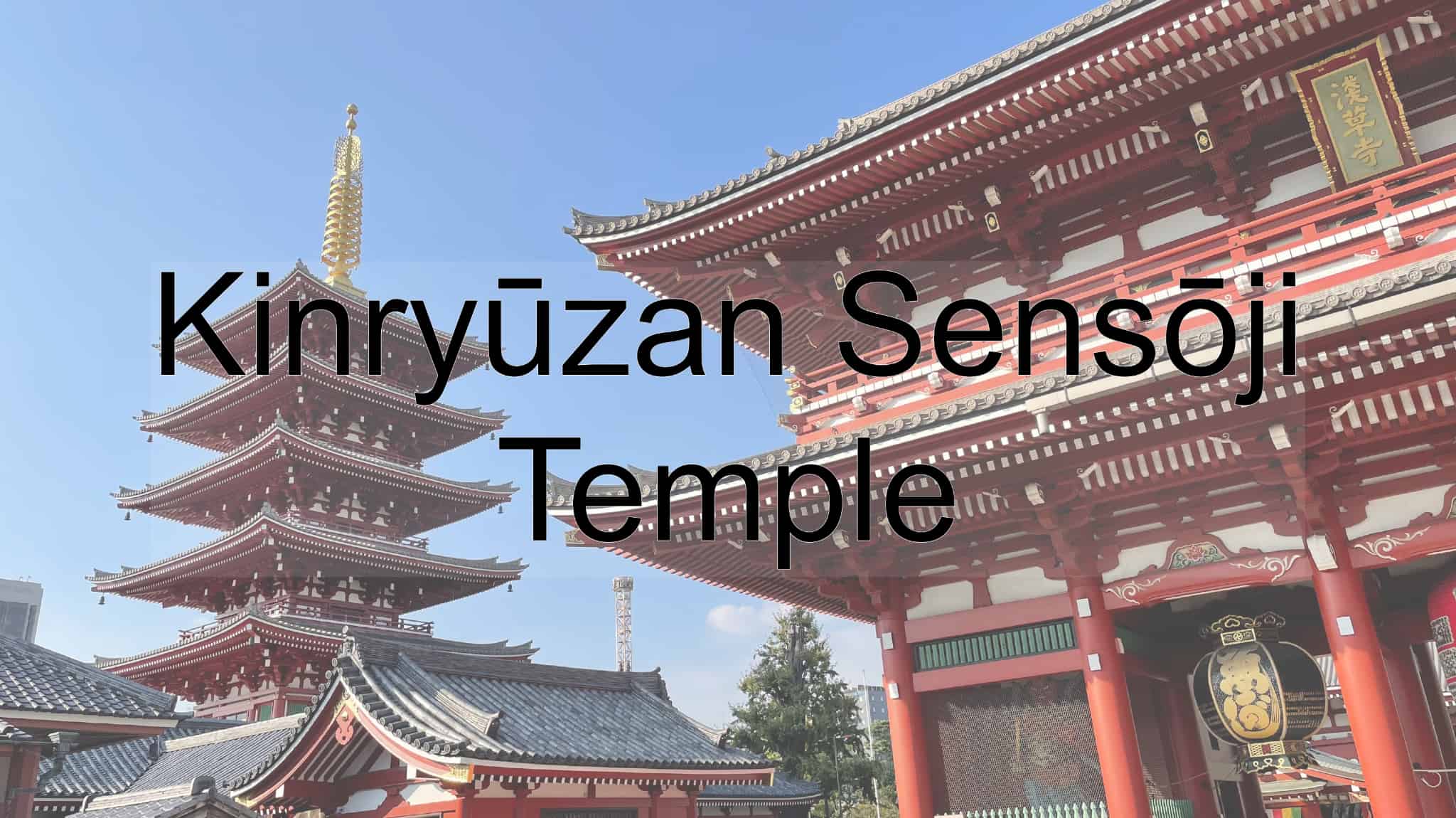
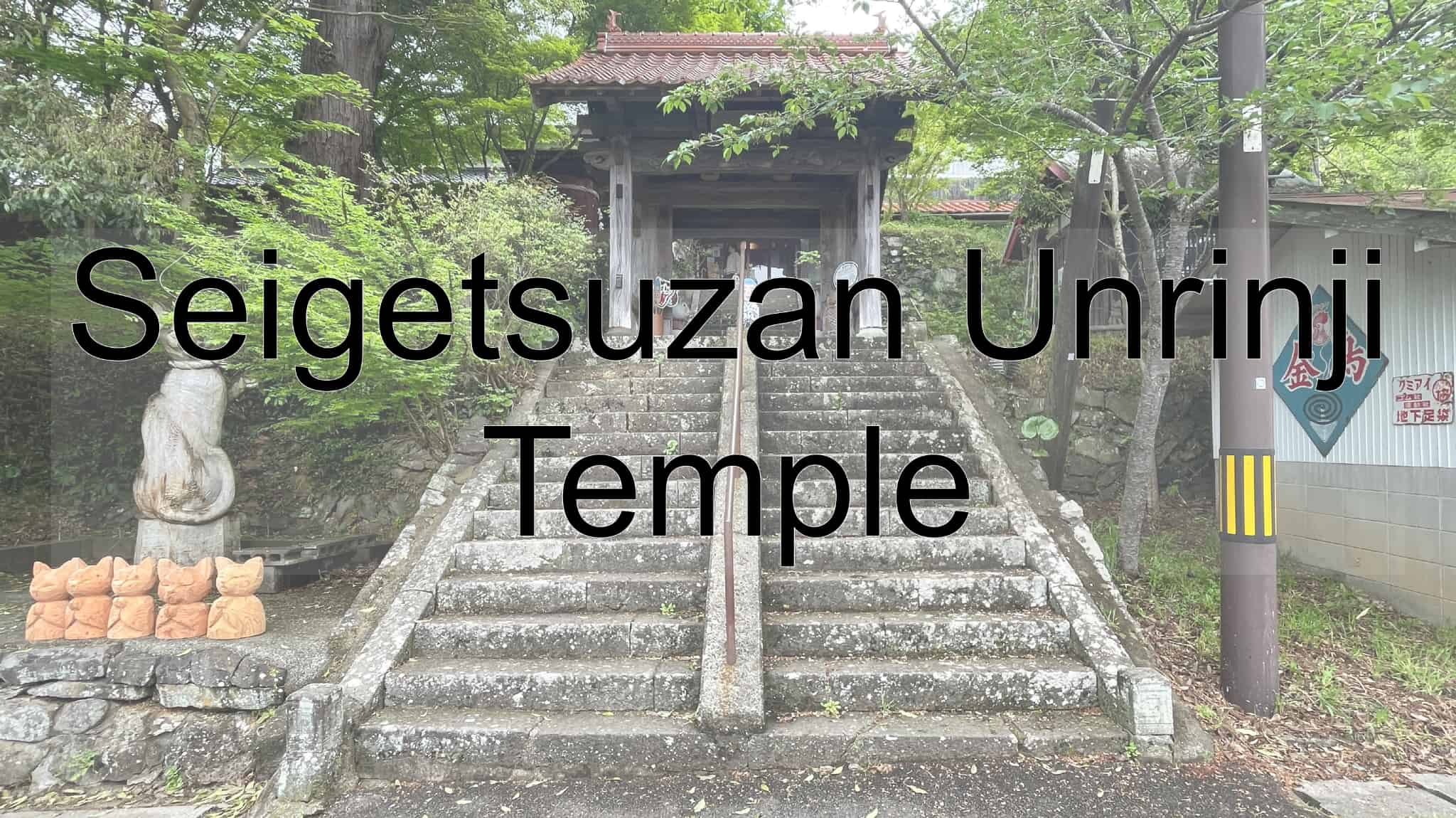
At temples where various Buddhist ceremonies are held, there is usually a gate, known as a 門 (mon), which marks the entrance to the temple grounds. This gate also marks where this world is, and where the sacred (or holy) grounds are. One will also often find a pagoda—frequently a five-story pagoda—within the temple complex. Each level of a pagoda carries a different symbolic meaning. In a five-story pagoda, the five levels represent, from bottom to top, 地 (chi—earth), 水 (mizu—water), 火 (hi—fire), 風 (kaze—wind), and 空 (sora—sky).
Visitors to a temple may also encounter statues of guardian deities known as 仁王 (niō). According to tradition, these guardians were originally a single deity that protected the Buddha Shakyamuni Tathagata. This deity later split into two separate figures, which is why a pair of niō statues is typically found standing on either side of a temple's main gate. As guardians of the temple, niō are often depicted holding a staff-like object known as a 金剛杵 (kongōsho). This sacred object is said to help destroy negative emotions and evil influences. Some legends describe the kongōsho as also granting the niō the power to battle evil and even control lightning. The niō are said to devote all of their strength to protecting the temple, and as a result, their bulging muscles and prominent veins are often emphasized in their statues. This is one reason why they are frequently depicted with red bodies. If one looks closely at these fierce-looking guardians, one will notice that one statue has its mouth open while the other has its mouth closed. The niō with its mouth open is known as 阿 (a), representing the beginning. The niō with its mouth closed is known as 吽 (un), representing the end. Together, these two statues symbolize “the beginning and the end”, representing the universe and all aspects of life.
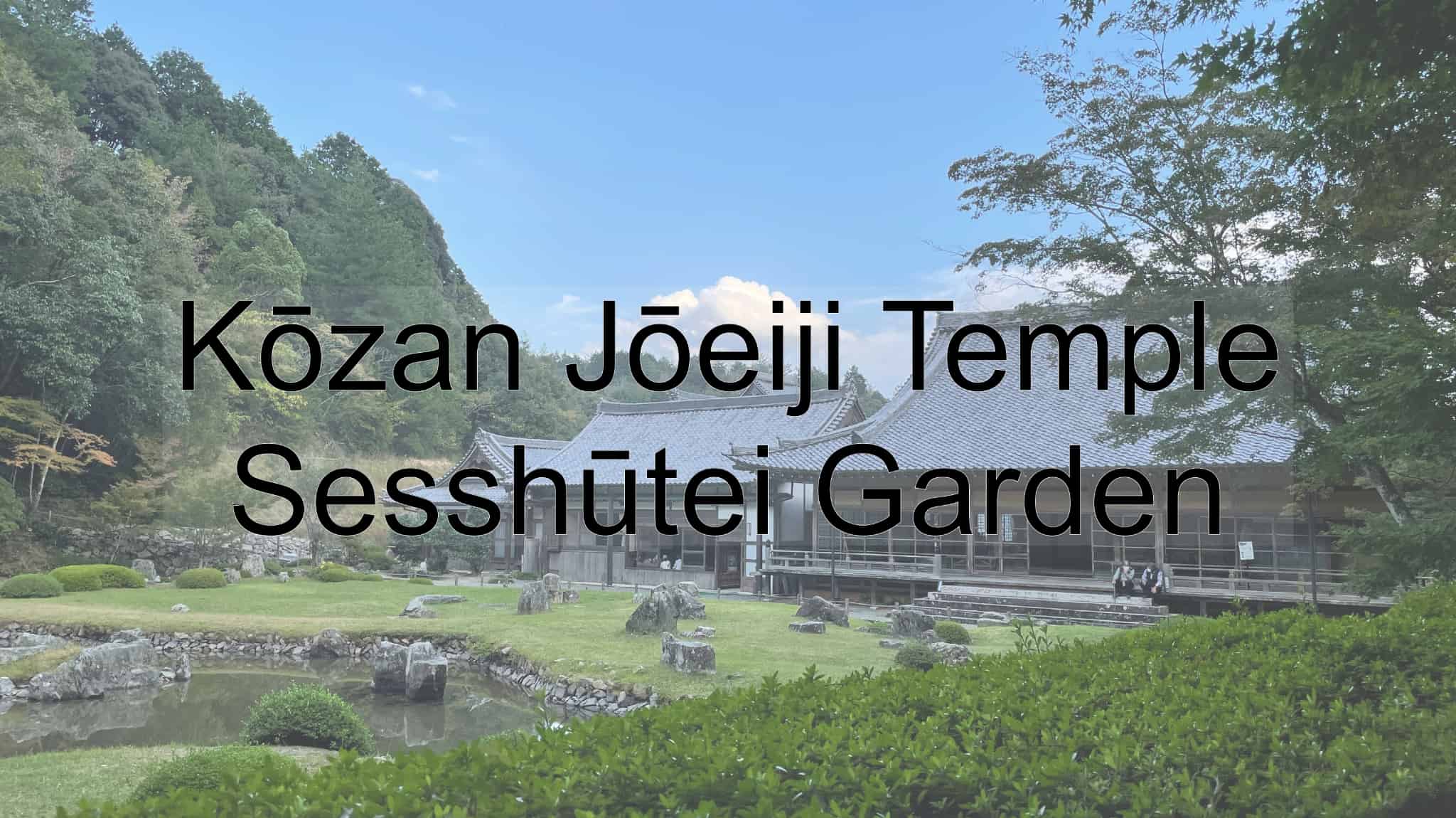
The architectural style of a temple can vary significantly depending on the Buddhist sect to which it belongs. Some temples are quite small, while others are vast complexes with much to explore. One of the best-known branches of Japanese Buddhism is Zen Buddhism. At Zen temples, visitors will often find Japanese-style rock gardens. These gardens are distinctive because Buddhist monks carefully rake lines into the gravel each day, leaving no visible footprints. The lines are designed to represent the flow of water.
There are countless Buddhist temples throughout Japan, and the articles below can help one discover historically significant temples as well as some of MORIKOBOSHI's personal recommendations. Through these articles, one can deepen one's understanding of Japanese temples and gain a greater appreciation for their history, culture, and beauty. We hope one will become deeply interested in temples throughout Japan.