Shintō Shrines
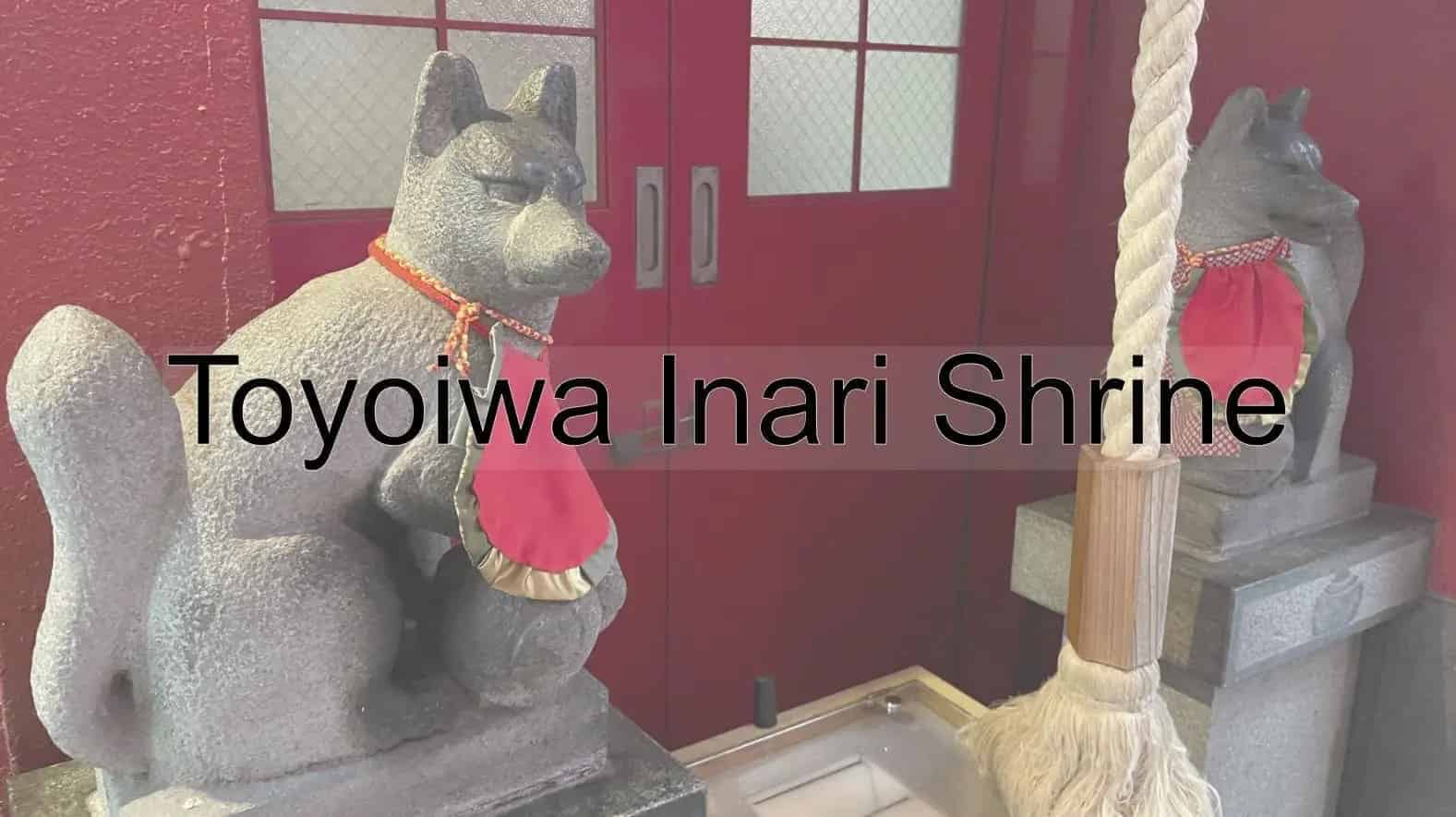
Shrines in Japan are part of the Shintō religion. There are more Shintō shrines across the country than can be counted, and they are built in a wide variety of styles. Most of the gods and goddesses in the Shintō religion are in some way related to nature, and through them, the Japanese express their gratitude toward nature itself. One of the most well-known deities in Shintō is 稲荷神 (inari-no-kami), the Goddess of Grains. This deity is worshiped at Fushimi Inari Taisha, a shrine in Kyoto City, Kyoto Prefecture. In the past, many Japanese people cultivated rice, and they prayed to the Goddess of Grains for a good harvest and for their crops to grow without problems. A fast fact, but not everyone who produced rice was able to travel all the way to Kyoto Prefecture to pray at Fushimi Inari Taisha. Because of this, Shintō shrines dedicated to the Goddess of Grains spread throughout the country, and there are now more shrines dedicated to the Goddess Inari than to any other deity in the Shintō religion.
In Japan, there are some Shintō shrines with relatively little history that were built primarily to attract tourists. However, there are also others with a much deeper historical background, some of which are even connected to the creation of Japan itself. According to legend, after the two deities 伊邪那岐命 (izanagi-no-mikoto) and 伊邪那美命 (izanami-no-mikoto) created Japan, they descended and created what is now known as Izanagi Shrine (in Hyogo Prefecture). Also, some Shintō shrines in Japan are shrouded in mystery. Izumo Taisha in Shimane Prefecture is one such shrine. Dedicated to the deity 大国主大神 (ōkuninushi-no-ōkami), the current structure is believed not to be the original one. Several large holes have been discovered around where it stands, leading to the theory that massive pillars once stood there and supported a large structure and staircase. At the top of this staircase, researchers believe, once stood the main hall of Izumo Taisha. It is unclear why Izumo Taisha was built so high up. However, this shrine has a long history and is mentioned in the 古事記 (kojiki), which is considered the oldest surviving mythology and history book in Japan.
Every year, a large number of festivals take place across Japan, many of which are held in or around Shintō shrines. One of the most famous is the Gion Festival. Held annually in Kyoto City, Kyoto Prefecture, for nearly a month, this festival is associated with Yasaka Shrine (also in Kyoto City) and worships the deities: 素戔嗚尊 (susanoo-no-mikoto), 櫛稲田姫命 (kushinadahime-no-mikoto), and 八柱御子神 (yahashirano-no-mikogami). During festivals in Japan, food stalls and game booths are set up, and traditional performances such as Japanese dance and Noh theater may also be held. In some cases, entire towns or districts become part of the celebration. During the Gion Festival, the center of Kyoto City—Shijo Kawaramachi—becomes especially crowded and vibrant.
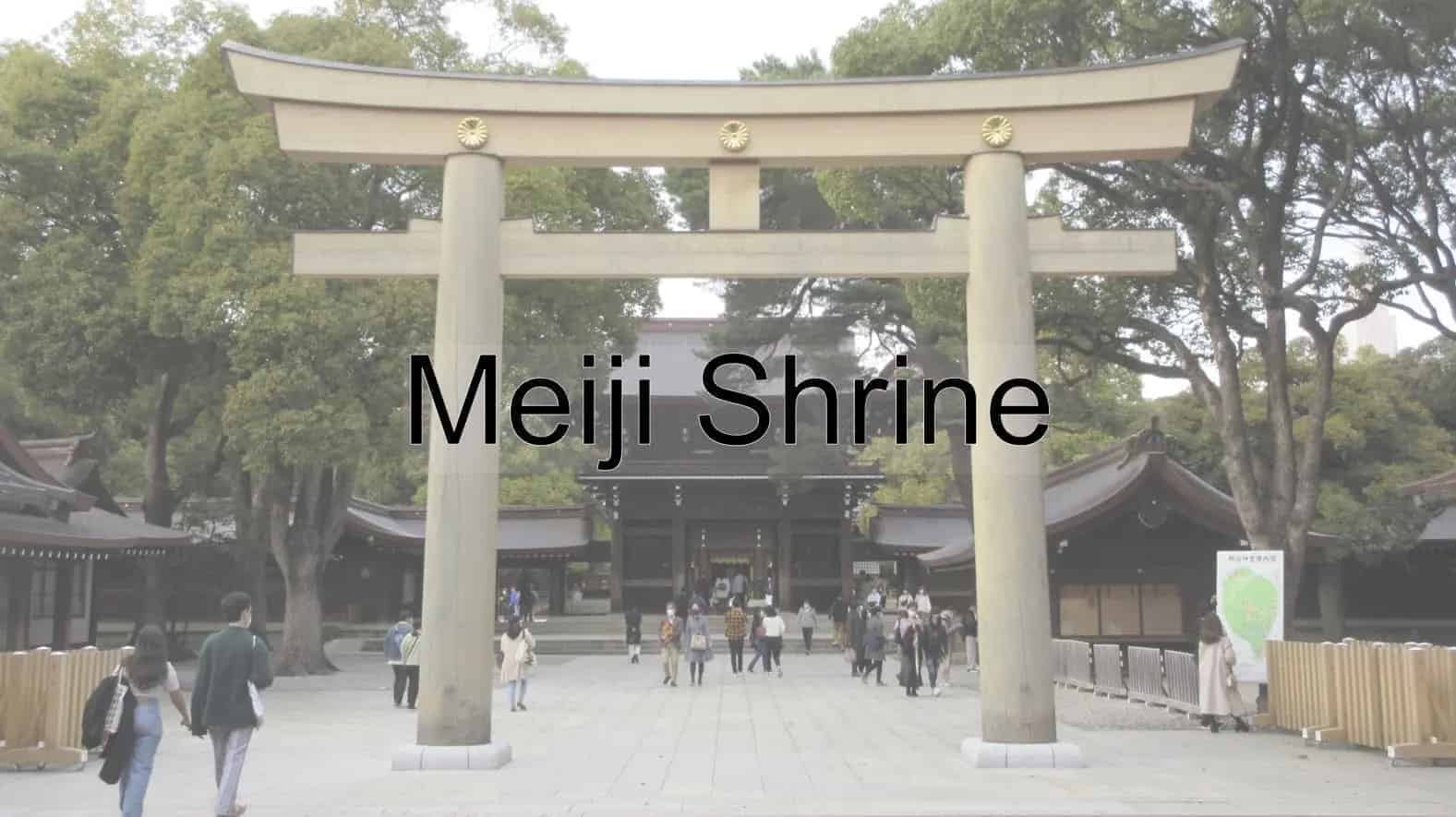
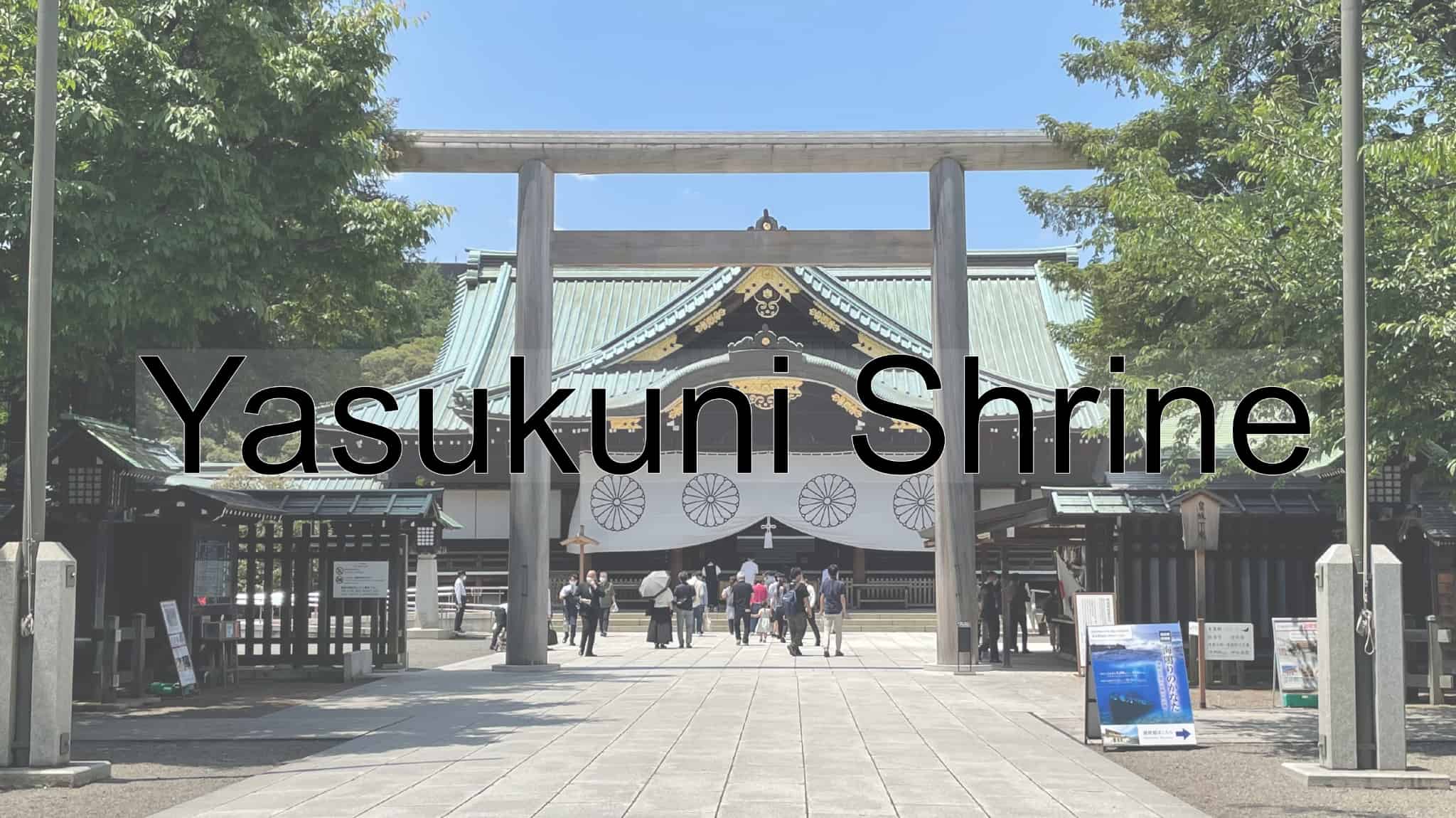
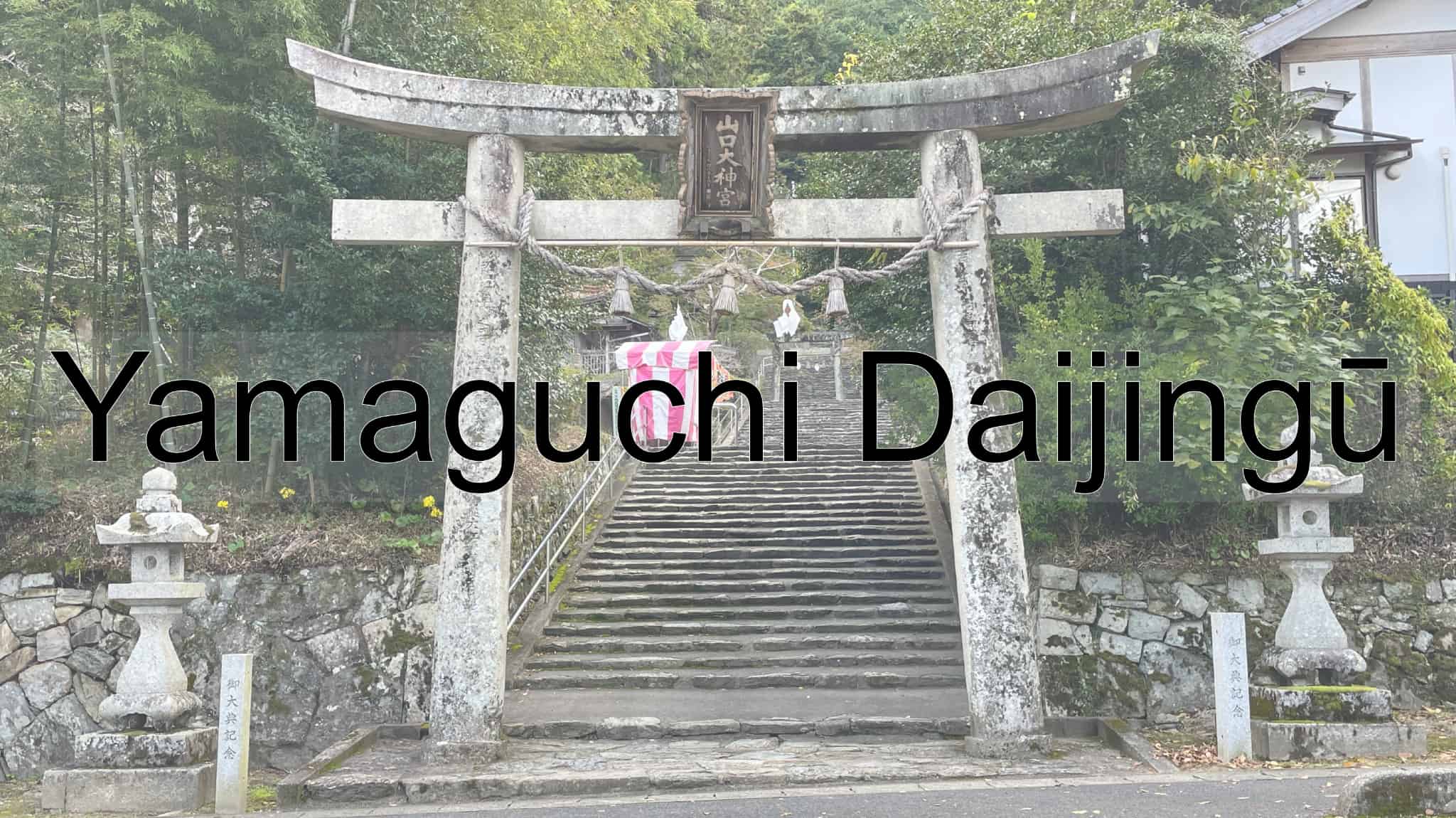
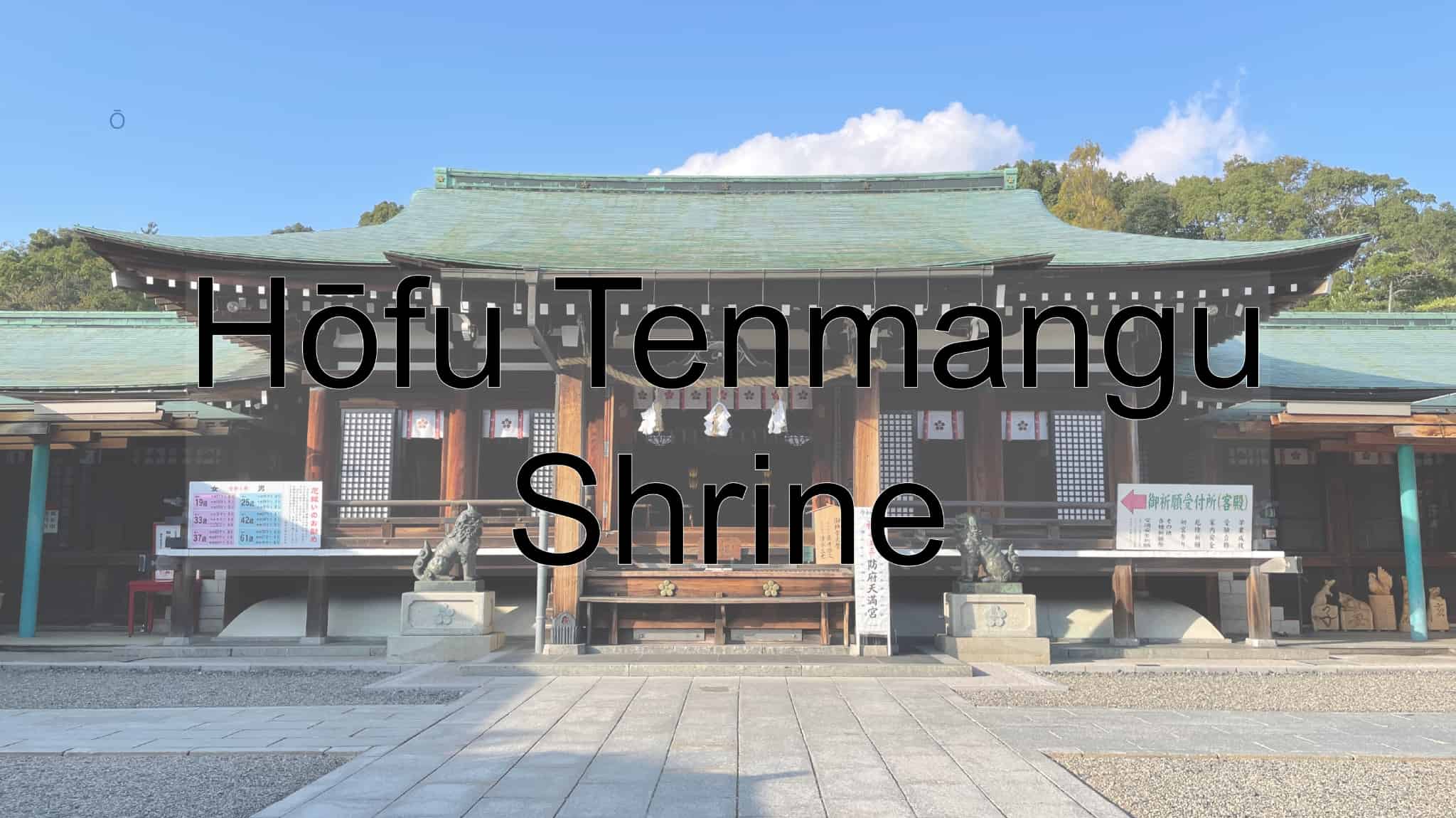
Across Japan, the grounds of Shintō shrines vary greatly in size and design. However, certain features remain consistent. For example, at the entrance of a shrine, one will always find a 鳥居 (torii), or shrine gate. The torii is an important structure that separates the secular world from the sacred space where the deity resides. At Shintō shrines dedicated to the Goddess Inari, the torii gates are often painted red. This color is believed to symbolize sunlight, which is essential for rice cultivation, as well as warmth that supports growth. Red is also considered a protective color against evil. This is why the color red can be found in many shrines, not just those dedicated to the Goddess Inari. In front of the shrine gate or the main hall, visitors will often see two statues of 狛犬 (komainu). These stone guardian figures help protect the shrine and are believed to ward off evil. Often, one komainu has its mouth open, while the other has its mouth closed. The open-mouthed figure is called 阿 (a), representing the beginning. The closed-mouthed figure is called 吽 (un), representing the end. Together, they symbolize “the beginning and the end”.
Through the articles below, readers can learn about Shintō shrines recommended by MORIKOBOSHI, as well as shrines rich in history. We hope this also helps deepen one’s understanding of what shrines are and what they mean in Japanese culture, making visits to them even more meaningful and enjoyable.